




As a pet owner, you know your dog or cat better than anyone. You can spot a slight shift in their mood or a subtle change in their appetite. But when it comes to their core health—their vital signs—do you know what “normal” actually looks like?
Understanding and routinely monitoring your pet’s vitals is one of the most proactive things you can do. Knowing your pet’s baseline can help you catch serious issues, like heart problems or pain, long before they become emergencies.
Here is a simple guide to checking the three most important vital signs at home.
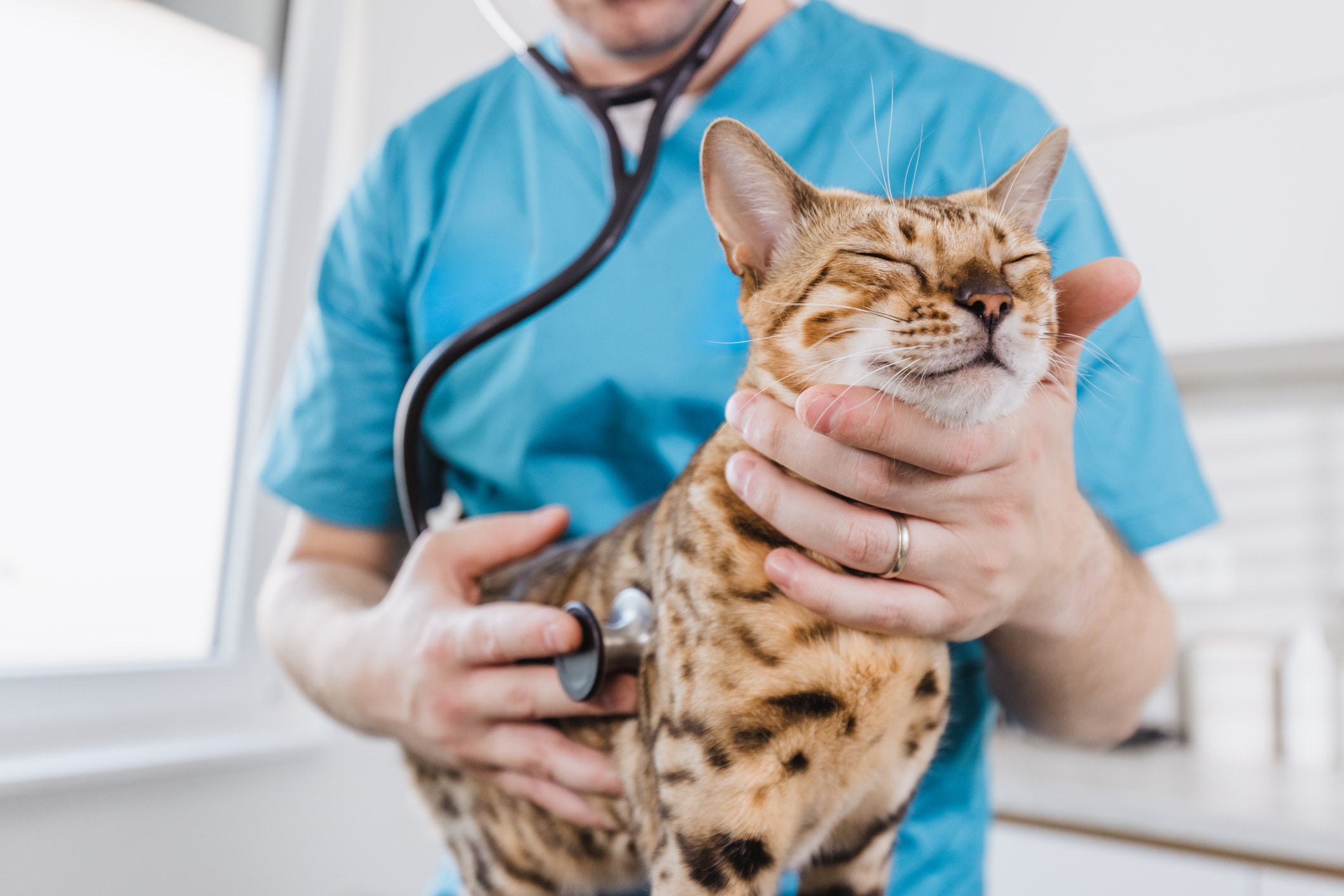
1. Resting Heart Rate (Pulse)
A dog or cat’s pulse is best checked when they are completely relaxed or sleeping—not immediately after a walk or a bout of zoomies.
-
How to Check: Place your fingers firmly over the inside of their upper hind leg, high up near where the leg meets the body. This is where the femoral artery is closest to the skin. Count the beats you feel for 15 seconds, then multiply that number by four to get the beats per minute (BPM).
-
Normal Range:
-
Dogs: 60 to 140 BPM (smaller dogs have faster rates than large dogs).
-
Cats: 120 to 180 BPM (cats are notoriously faster).
-
If your pet’s resting heart rate is consistently outside these ranges, or if it suddenly increases without an obvious cause, it warrants a call to your vet.
2. Respiratory Rate (Breathing)
This is arguably the most crucial vital sign to monitor at home, especially for pets with heart conditions or brachycephalic (flat-faced) breeds. The best time to check is while they are asleep.
-
How to Check: Watch their chest move in and out. Count one full inhale and one full exhale as one breath. Count the total number of breaths over 60 seconds.
-
Normal Range:
-
Dogs & Cats (Resting/Sleeping): 15 to 30 breaths per minute.
-
A persistent resting respiratory rate above 35-40 breaths per minute is a strong indicator of respiratory distress, fluid in the lungs, pain, or other serious issues.
3. Capillary Refill Time (CRT)
This quick check measures blood circulation and hydration. It tells you how fast blood returns to the capillaries, indicating the efficiency of their circulatory system.
-
How to Check: Gently lift your pet’s upper lip to expose the gums. Press your finger firmly against the gum line until the area turns pale white. Immediately remove your finger and count the time it takes for the pink color to return.
-
Normal Range:
-
Dogs & Cats: The pink color should return in less than 2 seconds.
-
If the gums remain white or pale for longer than 2 seconds, it suggests poor circulation and requires immediate veterinary attention.
Track Vitals with Cardalis
Consistency is key to monitoring your pet’s health. Tracking their vitals weekly and establishing a reliable baseline is the best way to catch the early warning signs of chronic conditions like congestive heart failure (CHF) or chronic pain.
We recommend using the Cardalis pet vitals tracking app, which is designed to help pet owners record and monitor key health data easily.
-
Download Cardalis on the Apple Store: https://apps.apple.com/us/app/cardalis/id569166179
-
Download Cardalis on Google Play: https://play.google.com/store/apps/details?id=com.ceva.cardalisv2&hl=en_US
Knowing your pet’s numbers empowers you to be their best health advocate. If you notice any of these vitals are consistently abnormal, please schedule an appointment with us right away.
